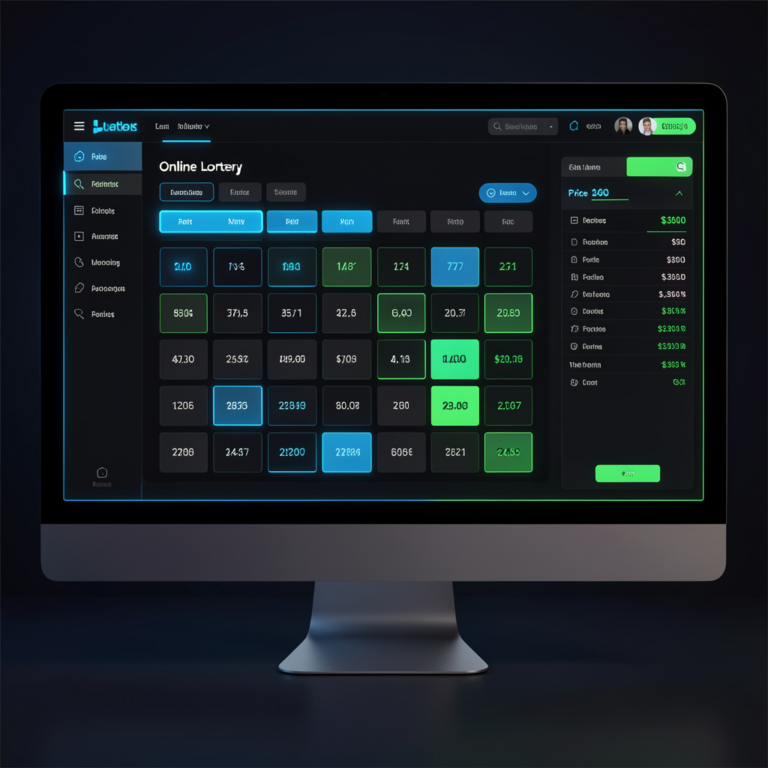
The online gaming industry has grown tremendously in recent years, attracting millions of users globally. A critical factor in the success of any online platform is the ease with which users can navigate its interface. Seamless navigation ensures that players can access games, features, and settings efficiently, creating a satisfying and immersive experience. Platforms that prioritize user-friendly design not only retain users but also build a strong reputation in a highly competitive market.
Why Seamless Navigation Matters
Navigation is at the heart of user experience. A complex or confusing interface can frustrate users, leading to decreased engagement and higher abandonment rates. Conversely, a well-structured and intuitive interface allows users to quickly find games, manage their accounts, and access support when needed.
For online platforms with a global audience, navigation is even more important. Users come from diverse cultural and technological backgrounds, meaning interfaces must be intuitive, adaptive, and accessible across devices. By prioritizing seamless navigation, platforms can ensure a consistent and enjoyable experience for all users.
Key Elements of Seamless Navigation
Several design and technical features contribute to effective navigation on online gaming platforms:
1. Intuitive User Interface (UI)
An intuitive UI is designed with the user in mind. Buttons, menus, and icons should be clearly labeled, logically organized, and easily recognizable. Simple layouts reduce cognitive load, helping users find the features they need without confusion. Visual hierarchy, consistent color schemes, and readable fonts further enhance usability.
2. Responsive Design
Users access online platforms from various devices, including desktops, tablets, and smartphones. A responsive design ensures that the interface automatically adjusts to different screen sizes and orientations. This adaptability provides a consistent and seamless experience, whether a user is on a high-resolution desktop monitor or a mobile device on the go.
3. Quick Access Menus
Quick access menus or dashboards allow users to reach frequently used features instantly. Whether it’s starting a game, checking achievements, or managing account settings, menus should be logically grouped and accessible from any page. This reduces unnecessary clicks and streamlines the user experience.
4. Search Functionality
A robust search function helps users quickly locate games, content, or specific features. Advanced search tools with filters and categories enhance usability, especially for platforms with a large library of games or content. Autocomplete suggestions and predictive search features further improve navigation efficiency.
5. Clear Feedback and Guidance
Seamless navigation includes clear feedback for user actions. For example, buttons should indicate when they are clicked, pages should load smoothly, and error messages should provide actionable guidance. Tooltips, onboarding tutorials, and interactive guides can help new users navigate the platform without confusion.
6. Accessibility Features
Accessibility is essential for inclusive design. Platforms should support screen readers, keyboard navigation, and adjustable text sizes for users with disabilities. Color contrast, alternative text for images, and voice commands can further enhance usability for a diverse global audience.
7. Consistent Layouts Across Sections
Consistency in design across all sections of a platform reduces learning curves and makes navigation predictable. Users should not have to relearn navigation patterns when moving between games, account settings, or support sections. Consistent layouts improve usability, reduce errors, and foster a sense of familiarity.
Benefits of Seamless Navigation
Platforms that prioritize seamless navigation enjoy multiple advantages:
-
Enhanced User Engagement: Easy access to games and features keeps users engaged for longer periods.
-
Higher Retention Rates: Users are more likely to return to a platform that is simple and enjoyable to navigate.
-
Improved Conversion Rates: For platforms offering subscriptions or premium content, seamless navigation can lead to higher sign-ups and purchases.
-
Global Accessibility: Intuitive navigation supports users from diverse regions, cultures, and technological backgrounds.
-
Positive Brand Reputation: Platforms known for smooth and user-friendly interfaces are more likely to receive positive reviews and recommendations.
Trends in Navigation for Online Platforms
The future of navigation on online gaming platforms is driven by technology and user expectations:
-
AI-Powered Personalization: Platforms use AI to adapt menus and recommendations based on user behavior, providing faster access to favorite features and games.
-
Voice and Gesture Controls: Advanced input methods allow users to navigate platforms using voice commands or gestures, creating a more immersive and hands-free experience.
-
Interactive Tutorials and Onboarding: Step-by-step guides and interactive tutorials help new users quickly understand the platform, reducing the learning curve.
-
Dynamic Dashboards: Customizable dashboards allow users to organize shortcuts, notifications, and frequently used tools according to their preferences.
Conclusion
Seamless navigation is a critical component of online gaming platforms, directly impacting user satisfaction, engagement, and retention. By focusing on intuitive design, responsive interfaces, quick access menus, and accessibility features, platforms can create a smooth and enjoyable experience for users worldwide.Visit toto 4d online for more details.
As the online gaming industry continues to grow, platforms that prioritize navigation and usability will stand out, attracting and retaining a global audience. A well-designed interface not only enhances user experience but also builds trust, encourages interaction, and strengthens a platform’s reputation in the competitive digital landscape.
About the Author